IMHO, the claim in the overly long title to this post is correct. YMMV, of course.
If you agree with my conclusion, the natural question is to ask why this should be so. Here we have two similar, occasionally even overlapping, types of genre fiction, and yet we reach opposite conclusions about the relative worth of the novel versus the short story.
My hypothesis is that there is a principled reason behind this observation. After many decades of reading both forms, I believe that mysteries require space for character development and for the reader to juggle various possible outcomes to the story; normally that requires novel length or at least a novella. Although a short story can readily present and solve a puzzle mystery, it doesn’t really work for traditional tales.
Science fiction, on the other hand, is a rather different beast. There is no particular need for character development, and many science fiction writers are terrible at it when they try. A technological problem can be presented quickly; a world that differs from our own can be painted in broad strokes in a couple of pages. Often a problem is presented within the context of that world—far away from us in time or space—and then it can be quickly solved.
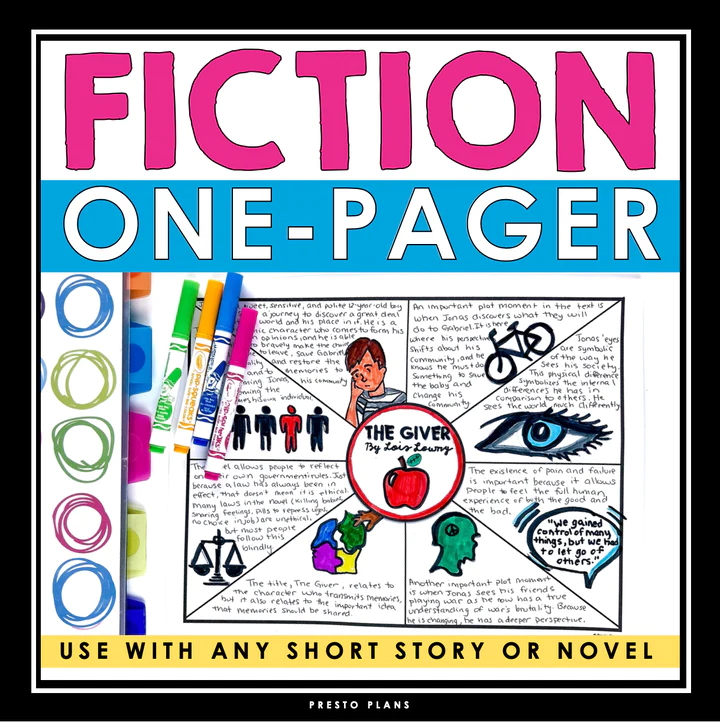
There are, of course, many exceptions in both directions. But on the whole I believe in my analysis. There are simply different criteria for long-form and short-form stories. That’s my opinion, but note that the worksheet below claims that a single method can be used to analyze both novels and short stories. Maybe so, but I’m skeptical.
Categories: Books
 Learning Strategies