When I was a teen — i.e. before I knew better — I thought highly of Strunk and White’s classic Elements of Style. It came highly recommended by the establishment, and even though I was suitably anti-establishment back in the ’60s (as I still am, though perhaps not quite so much) I knew that this was a book that I was supposed to admire. Who could possibly disagree with the admonition to “omit needless words,” after all? If they’re needless, you don’t need them!

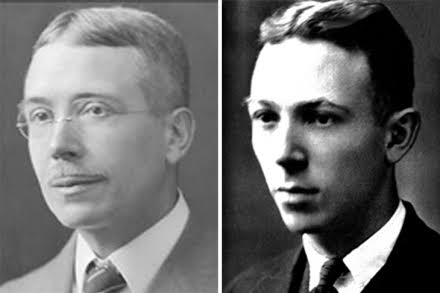
Now, fortunately, I know better. The book contains, of course, far more than that admonition, which is, as linguist Geoff Pullum puts it, “harmless enough.” The New York Times has assembled five very short essays about The Elements of Style; they are all worth your reading. As an example, see this analysis by Pullum:
The simplistic don’t-do-this, don’t-write-that instructions offered in the book would not guarantee good writing if they were obeyed. Indeed, they are often violated in the very paragraphs that Strunk and White use to present them. The section warning against the passive, for example, is replete with passives. (And anyway, the passive is a perfectly useful and respectable type of clause; there is no merit in blanket warnings against it.)
Do read all five essays. It won’t take you long.
If The Times is not your cup of tea — perhaps you think it’s too woke — how about this mild article in The Spectator, which no one could call woke. You can tell that the article is going to be mild from its subtle title, “Down with Strunk and White!” (As a non-subscriber, you can still get two free articles per month, so don’t worry about the paywall.) Author Peter Wood’s point of view is slightly different from the five Times writers, but only slightly. What’s really different is his — ahem — style. So please read it as well. If you’ve already drunk the Kool-Aid, just rethink your opinion of this third-rate and harmful book. There, I’ve said it!
Categories: Books, Teaching & Learning

